

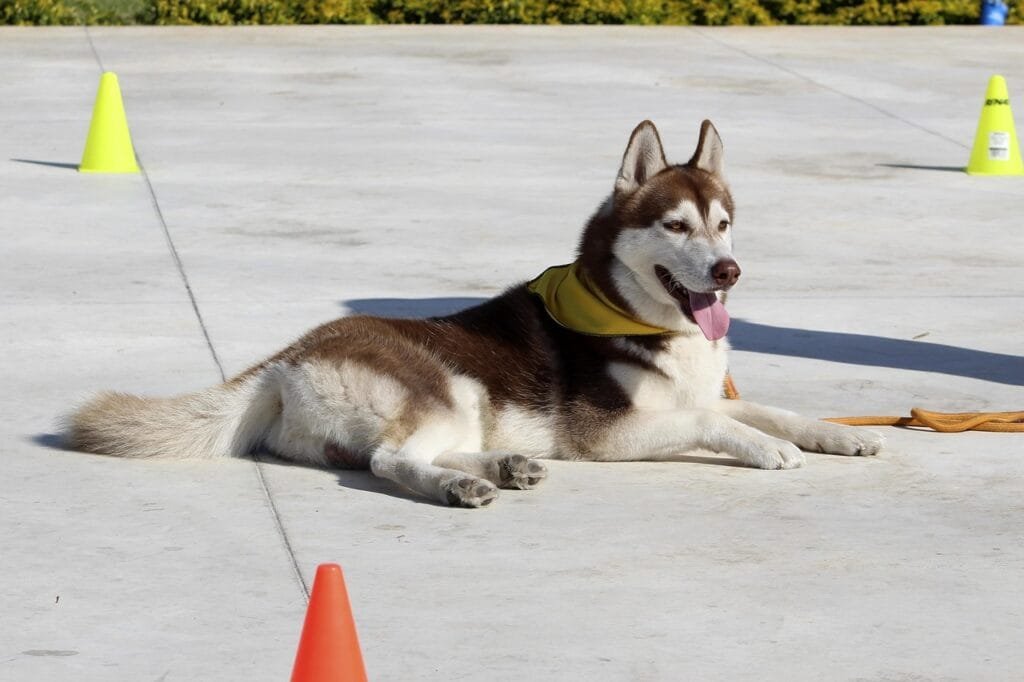
Training a dog is possible no matter how old the dog is. Starting training when your dog is three years old can be very rewarding and work well. Puppies are famous for learning quickly, like a sponge soaking up water. They pick up new commands easily. But adult dogs, including those around three years old, can also learn just as well if you use the right way to teach them. Many people believe that older dogs cannot learn new things, but this idea is not true. Dog trainers and experts have shown that adult dogs can learn new tricks and good behaviors just like puppies can. With patience and good methods, you can teach a three-year-old dog new commands and skills successfully.
Why Dog Training at 3 Years Old Still Works: Age Doesn’t Limit Learning
Dogs can learn throughout their entire lives. Their brains stay flexible and able to change, even when they are adults. At three years old, a dog is still young, full of energy, and able to make new habits. Many dogs that work as service dogs, therapy dogs, or rescue dogs start their training after they are no longer puppies.
What changes as dogs get older is not their ability to learn, but how they learn. Older dogs may already have habits—some good, some bad—that they have developed over time. However, with regular and positive training, these habits can be changed. By using kind and consistent rewards, you can teach an older dog new behaviors and help them forget old, unwanted ones. Age doesn’t stop a dog from learning; it just means training might need a little more patience and consistency.
Benefits of Training Adult Dogs:
Training a 3-year-old dog has some special advantages:
- Better focus and self-control: Adult dogs are usually calmer and less easily distracted than puppies. They don’t get excited by every little thing like leaves or squirrels, so they can pay better attention during training.
- Known personality: At three years old, you already understand your dog’s character and habits. This makes it easier to choose the best training methods that suit your dog’s personality.
- Fully grown body: Your dog is physically mature, so you don’t have to worry about things like growing too fast or teething problems that can interrupt training with puppies. This means training can be more steady and less interrupted.
- Chance to build a strong bond: Training is a great way to improve your connection with your dog. If you have recently adopted your dog, training together helps you both trust each other and feel closer.
Overall, training a 3-year-old dog is very effective and gives you a chance to understand and help your dog better.
Common Challenges—and How to Overcome Them
Training a 3-year-old dog is definitely possible, but sometimes it can be a little challenging if the dog already has some bad habits. These habits might be things like pulling on the leash, jumping on visitors, or not coming when called. Here’s how you can handle these challenges:
- Start with the basics: Go back to simple commands like “sit,” “stay,” “come,” and “leave it.” Even if your dog already knows them, practicing these commands again creates a strong foundation for more training.
- Use positive reinforcement: Reward your dog with treats, praise, or toys when they do something right. This helps your dog feel happy and want to repeat good behavior.
- Be consistent: Dogs learn best when there is a routine. Use the same words, signals, and rewards every time to avoid confusing your dog.
- Avoid punishment: Don’t use harsh punishments or yell at your dog. This can hurt the trust between you and might make your dog scared. Instead, focus on gently guiding your dog and rewarding good actions.
- Break tasks into smaller steps: If you’re teaching something more difficult, like walking nicely on a leash or greeting guests politely, divide the training into small, easy parts. This makes learning easier for your dog.
With patience and the right methods, you can overcome common training problems with a 3-year-old dog and help them learn well.
Consider Professional Help
If training your 3-year-old dog feels too hard or confusing, getting help from a professional can make a big difference. Joining an obedience class or hiring a certified dog trainer can guide you through the process. A good trainer can:
- Understand your dog’s behavior and habits.
- Help you set clear, achievable training goals.
- Give you personalized advice and techniques that work best for your dog.
When choosing a trainer, look for someone who uses gentle, science-based methods. These methods don’t use punishment or force. Instead, they focus on kindness and positive reinforcement, which are both effective and safe for your dog.
Working with a professional can make training easier and more successful for you and your dog.
Final Thoughts
Training a dog at three years old is not only possible but can actually be a great time to start. At this age, your dog is mature in feelings, physically healthy and steady, and ready to form a strong bond with you.
With patience and regular practice, using kind and positive methods, you can teach your dog new skills and help fix any bad habits. Training will also help you build a closer and happier relationship with your dog.
So, if you’re worried that it might be too late to start training, don’t be. Your dog still has plenty of time to learn and grow. The best days for training and bonding could still be coming.
Frequently Asked Questions
Is 3 Years Old Too Late to Start Dog Training?
Not at all. Dogs remain capable learners throughout their lives, and training at 3 years old can be highly effective. In fact, adult dogs often have better focus and emotional maturity than puppies, making them excellent candidates for obedience training, behavior shaping, and even advanced skills. With consistency and positive reinforcement, a 3-year-old dog can thrive in training.
How to Fix Bad Habits in a 3-Year-Old Dog?
To correct unwanted behaviors in a 3-year-old dog:
– Identify the root cause: Is the behavior driven by boredom, anxiety, or lack of boundaries?
– Replace bad habits with good ones: For example, teach “sit” or “stay” as alternatives to jumping.
– Use positive reinforcement: Reward desired behaviors with treats, praise, or play.
– Be consistent: Reinforce rules across all environments and family members.
– Avoid punishment: Redirect instead of scolding to maintain trust and motivation.
– Break tasks into small steps: Gradual progress builds lasting change.
If habits are deeply ingrained, consider working with a certified dog trainer for personalized guidance.
Can Rescue Dogs Be Trained at 3 Years Old?
Yes, absolutely. Many rescue dogs begin their training journey well into adulthood. At 3 years old, a rescue dog can learn basic commands, social manners, and even specialized skills. The key is to build trust first—especially if the dog has experienced trauma or instability. Use gentle, reward-based methods and allow time for adjustment. With patience and love, rescue dogs can become well-trained companions.
How Long Does It Take to Train a 3-Year-Old Dog?
Training timelines vary based on the dog’s temperament, past experiences, and your consistency. Here’s a general guide:
– Basic commands: 2–4 weeks with daily practice
– Behavior correction: 4–8 weeks depending on the habit
– Advanced skills or leash manners: 2–3 months or more
The most important factor is consistency. Short, daily sessions (10–15 minutes) are more effective than occasional long ones. Celebrate small wins and stay patient—progress builds over time.