

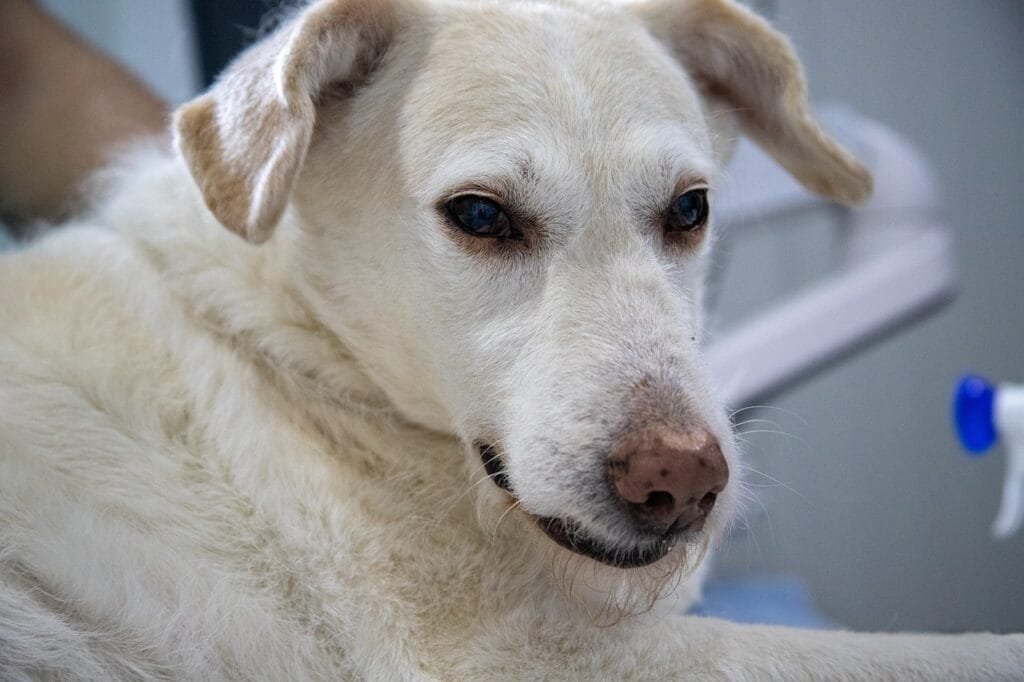
Dogs are very tough. They don’t usually cry out when they hurt. They hide their pain, a habit from their wild ancestors. Silent pain can last weeks or months and is easy to miss if you’re not looking carefully.
Why Silent Pain in Dogs Often Goes Unnoticed
In the wild, showing weakness can attract predators or make a dog lose its place in the pack. Domestic dogs still feel this instinct. They may keep playing, wagging, and following their routine even when they’re in pain. That’s why silent pain can be dangerous and hard to notice.
How to Recognize Silent Pain in Dogs
Dogs often show very subtle changes instead of loud cries when they’re in pain. Because the signs can be easy to miss, it helps to know what to look for and to watch your dog closely over time. Small shifts in how they move, behave, or interact with you can indicate real discomfort. By noticing these clues early, you can seek veterinary help sooner and keep your dog comfortable and active. The following signs are some of the most common indicators of silent pain in dogs.
- Posture or movement: limp, stiffness, or slower to jump or climb stairs
Try Glucosamine DS Plus Level 2 Moderate Care (120 Soft Chews) on Amazon —enhanced glucosamine, MSM, and chondroitin support hip/joint function for better mobility: always consult your vet first. - Less activity: sleeping more, not wanting to play, seeming lazy
You can try Hip and Joint + Probiotics Supplement (Superfood Powder for Dogs) on Amazon — sprinkle on food for joint flexibility and sustained energy: always consult your vet first. - Behavior changes: irritable, withdrawn, or suddenly aggressive
Try Joint Care Chews (Salmon Flavor) on Amazon — These use high-strength Glucosamine and Turmeric to soothe the hidden joint pain and swelling that often makes older dogs feel “grumpy” or act aggressively: always consult your vet first. - Face: squinting, frowning, tight lips
You can try Dog Pain Relief Supplement on Amazon — This natural aspirin alternative uses White Willow Bark and Pineapple Bromelain to quickly target the deep, throbbing aches that lead to a “pain face”: always consult your vet first. - Eating: dropping food, chewing on one side, avoiding hard kibble (possible dental pain)
You can try Dog Dental Formula on Amazon — If your dog is struggling to chew, it’s often because of painful tartar buildup on their gums. This effortless water additive targets that buildup and helps keep their mouth healthy without the pain of brushing, making it much more comfortable for them to eat their daily meals: always consult your vet first. - Sounds: whining, groaning, or panting more, especially when resting
Try Senior Advanced Joint Health Dog Supplement with Collagen on Amazon — Specifically designed for older dogs, these chews include Collagen and MSM to help relieve the deep aches and pains that make resting difficult. They are a great way to help a senior dog who pants or groans find the comfort they need to sleep soundly: always consult your vet first. - Comfort-seeking: licking or chewing one spot a lot
These signs can look like aging or mood changes, but they can mean pain.
💡 Note: While these supplements help with comfort, sudden behavior changes always require a professional diagnosis. Always consult your vet first.
Common Causes of Silent Pain
Silent pain can come from several different health issues, especially as dogs get older or when they experience injuries. Some problems affect the joints, teeth, nerves, or organs, and they often happen quietly, without obvious cries of pain. Knowing the main causes helps you watch for subtle warning signs and seek help early, so your dog can stay as comfortable and active as possible. The following are some of the most common sources of silent pain in dogs.
- Osteoarthritis: joint inflammation that gets worse with age
- Dental disease: infected gums or a broken tooth
- Hip dysplasia: common in larger dogs
- Spinal issues: disc problems or nerve trouble
- Soft tissue injuries: sprains or strains
- Cancer or internal illness: tumors or organ problems
What to Do If You Suspect Silent Pain
When you notice possible signs of silent pain in your dog, acting quickly can make a big difference in their comfort and overall health.
Silent pain often hides behind normal behavior, so it’s important to approach the situation with care and urgency rather than waiting until the problem becomes severe. A veterinarian can confirm whether pain is present and identify its source. Early evaluation allows for more effective treatment and a smoother recovery.
What Your Vet Might Do:
- Physical exam: The vet checks for tenderness, swelling, and range of motion to find where pain lies.
- Imaging: X-rays or scans help visualize joints, spine, and other structures to spot problems not obvious from a physical exam.
- Blood tests: These can reveal internal conditions that might be causing pain or affecting overall health.
What Happens Next:
- Treatment options may include medications to relieve pain and reduce inflammation.
- Therapies such as physical therapy or guided exercises can help restore movement and strength.
- Diet changes and weight management can lessen strain on joints.
- Home adjustments, like orthopedic beds, ramps, or low-stress environments, support daily comfort and mobility.
Tips for Monitoring at Home
- Keep notes with dates of any new signs or behaviors.
- Record how your dog moves after resting and after activity.
- Introduce small, gradual changes to exercise and routines to prevent flare-ups.
Final Thoughts
Silent pain is real and often hidden. Learn the signs, act quickly, and seek veterinary help. Your dog can’t speak, but their body tells you what they feel. Catching pain early can make your dog happier and more active. You may see more play and energy once pain is managed.
Frequently Asked Questions
What is silent pain in dogs?
Silent pain is pain dogs don’t show by crying out. They may act normal but still hurt. It can come from arthritis, dental problems, injuries, or other conditions.
What signs might mean a dog has silent pain?
Look for small changes such as limping or stiffness, sleeping more, less interest in playing, mood changes, facial expressions like squinting, changes in eating, more whimpering or panting when resting, and licking or chewing a spot often.
What should I do if I think my dog has silent pain?
See a veterinarian soon and tell them what you’ve observed. The vet may do a physical exam, X-rays or scans, and blood tests. Treatments can include pain relief, physical therapy, diet changes, and home adjustments like a comfy bed or a ramp.